CO2@QUB Researchers
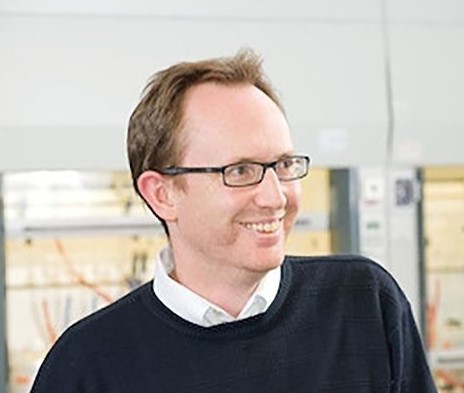
Stuart James
Professor
Porous liquids are a new class of materials that, counterintuitively, combine permanent porosity with fluidity. As such they may ultimately be useful for continuous separation processes, for example. They were conceived and demonstrated at Queen’s University Belfast and the James group is actively exploring both the fundamental science of these new materials as well as their potential applications. Mechanochemistry involves the initiation of chemical reactions through mechanical means. It is currently undergoing a renaissance due to its potential for more sustainable processes (since little or no solvent is needed) as well as the need for greater basic understanding of mechanochemical reactions.

Leila Moura
RAE Research Fellow
The Moura’s group focus is in the development of Liquid Engineering for Gas Separation. This project aims to overcome the energy and engineering costs associated with the isolation of ethylene and propylene, chemical starting materials for the high-demand materials, from natural gas. This will be achieved by developing new absorbents to selectively capture and release these gases from mixtures.
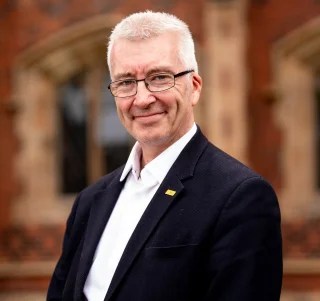
Peter Robertson
Professor
Prof Robertson joined the staff of the School of Applied Sciences at Robert Gordon University in 1995 where he was involved in teaching and research in environmental science and technology, analytical science and photocatalysis. In July 2000 he was appointed to the Chair of Energy and Environmental Engineering in the School of Mechanical and Offshore Engineering at RGU where I established the multidisciplinary Centre for Research in Energy and the Environment. He subsequently was appointed as Vice-Principal and Pro Vice-Chancellor (Research and Commercialisation) at Robert Gordon University in September 2006. In January 2015 he joined the School of Chemistry and Chemical Engineering at Queen’s University Belfast as Professor of Chemical Engineering and was subsequently Head of School between March 2016 and August 2018.

Chunfei Wu
Reader
Dr Wu has published >220 peer-reviewed journal papers with >10,000 citations (H index of 60, Google Scholar) in the areas of catalytic thermo-chemical conversion of wastes and CO2 capture. He is the PI of a EU RISE international exchange programme in relation to biomass gasification and carbon capture and utilization (Ref; EU823745, €864,400) (2019-2022), coordinating 15 research groups. Dr Wu is Co-I of a few EU project. He has also been involved in several EPSRC, Innovate UK, Royal Society and other EU projects. He is a Charted Scientist and a Member of the Royal Society of Chemistry. Dr Initiated the development of Carbon Capture Science & Technology (CCST), a Gold Open Access IChemE journal published by Elsevier. He is currently the Editor-in-Chief of CCST.
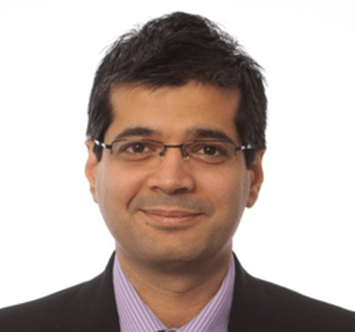
Haresh Manyar
Reader
Dr Haresh Manyar is Director of Internationalisation and Reader in Chemical Engineering at Queen’s University Belfast, UK. His research focuses on decabonisation, sustainable energy and green chemical processes by using the design and development of new catalysts and integrated chemical processes in batch and continuous flow reactors. He has received several awards including the 2021 Innovation Award by SHV Energy, 2019 American Chemical Society’s I&ECR Excellence in review award, and 2016 Queen’s Teaching Award for excellence in Teaching. He has received over £3 million in research grants from Royal Society, EPSRC, Leverhulme trust, Invest NI, STFC and chemical industry. He has several industrial collaborations including Almac Sciences, SHV Energy, Shell, Coryton advanced fuels, Johnson Matthey, Chevron, and Oleon. His research output includes over 160 papers/book chapters, patents/invention disclosures and conference proceedings with an h-index 29 (google scholar). He is the Fellow of Royal Society of Chemistry (FRSC), Fellow of Indian Chemical Society (FICS), and Fellow of Higher Education Academy, UK (FHEA).

Abul Hassan Ali
Lecturer
Abul Hassan Ali has dedicated over a decade to developing CO2 capture using cryogenic technology, particularly for natural gas with high CO2 content. His efforts have focused on advancing CO2 capture technology aiming for minimal negative impact on the environment. A significant milestone in his career was at Universiti Teknologi PETRONAS, Malaysia, where he was a part of a multidisciplinary team developing a pilot plant for CO2 capture utilizing cryogenic methods. Currently, his work emphasizes the simultaneous capture of CO2 and H2S from natural gas, employing cryogenic technology. He is exploring ways to make cryogenic technology more cost-effective, as this method is notably energy-intensive due to its substantial cooling requirements. His research has been published in reputed journals, and he has successfully acquired grants, significantly contributing to the advancement of CO2 capture technology.
 Carbon capture research lab at Queen's University Belfast